


Unwanted hair can be frustrating to manage through regular shaving and waxing. Laser hair removal in London offers a longer-term approach to reducing unwanted hair by targeting hair follicles with controlled laser energy. However, achieving the best possible results involves more than attending appointments. Understanding how to prepare your skin, what happens during treatment and how to care for the treated area afterwards is equally important.
At Dermathetics, our medical-led aesthetics clinic in Farringdon offers advanced Smart Diode laser hair removal using triple-wavelength technology. Our practitioners create personalised treatment plans based on individual skin characteristics and treatment goals.
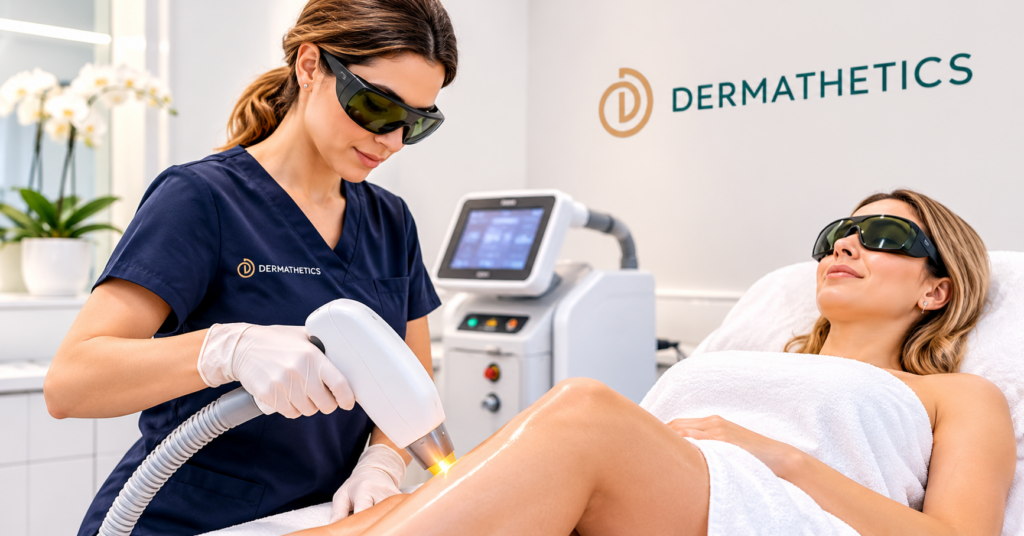
Laser hair removal uses concentrated light energy absorbed by melanin, the pigment found in hair. This energy produces heat, which damages the hair follicle and reduces its ability to produce new hair.
Unlike shaving and waxing, which offer temporary results, laser treatment aims to achieve long-term hair reduction.
The effectiveness of treatment depends on several factors:
Dermathetics uses Smart Diode technology combining three wavelengths (755nm, 808nm and 1064nm) to target hair follicles at different depths. You can explore the clinic’s Smart Diode laser hair removal treatment for more information about the technology and available treatment areas.
Proper preparation helps protect your skin and supports a more comfortable treatment experience.
Avoid excessive sun exposure, tanning beds and fake tan before your appointment. Recently tanned skin may increase the risk of unwanted reactions during treatment.
Protect exposed skin with broad-spectrum SPF 30 or higher. Follow your practitioner’s specific instructions about sun exposure before treatment.
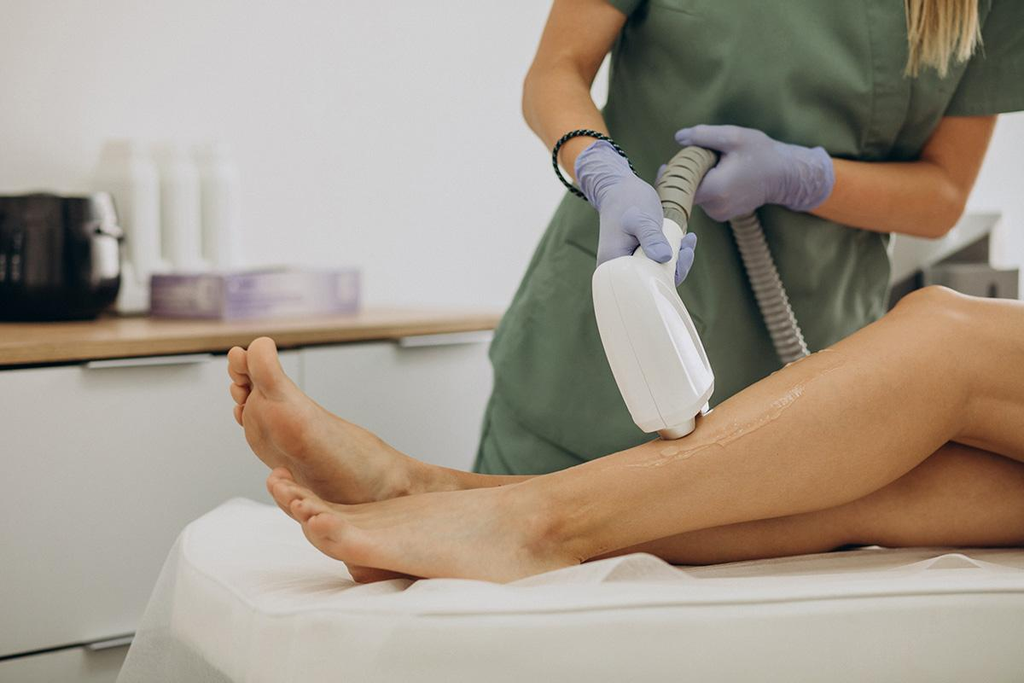
Your practitioner may recommend shaving the treatment area approximately 24 hours before your appointment. This helps the laser energy target the hair follicle rather than longer hair above the skin.
Avoid waxing, threading and plucking for the period advised by your practitioner. These methods remove hair from its root, which can interfere with the laser’s ability to target the follicle.
Shaving is generally the preferred hair-removal method between sessions.
Tell your practitioner about medications, skin conditions, recent tanning, previous skin reactions and any history of scarring or cold sores.
A professional consultation and patch test help assess suitability and determine appropriate treatment settings.
Your treatment journey normally starts with a consultation and skin assessment.
The process generally involves:
Consultation and patch test: Your practitioner assesses your skin type, hair characteristics and treatment goals before recommending a personalised plan. A patch test helps assess how your skin responds to the laser and supports the selection of appropriate treatment settings. Following recognised British Medical Laser Association treatment guidelines, including appropriate safety and assessment procedures, is an important part of responsible laser treatment.
Skin preparation: The treatment area is cleaned and prepared before the laser is applied. Appropriate protective eyewear is also important during treatment.
Laser treatment: Controlled laser pulses target the hair follicles. Cooling technology helps improve comfort during treatment.
Aftercare advice: Your practitioner provides guidance on protecting your skin and managing temporary sensitivity.
Session duration depends on the treatment area. Smaller areas may take only a few minutes, while larger areas can take considerably longer.
Effective treatment requires multiple sessions because hair grows in different stages. The laser works best when hair is in its active growth phase.
Many people require approximately 4–8 sessions, although individual treatment plans vary. Dermathetics generally recommends 6–8 sessions, with appointments spaced according to the treatment area and hair growth cycle. Facial treatments may be scheduled around four weeks apart, while body treatments may require approximately six weeks between appointments.
You may notice gradual hair reduction as treatment progresses. Some regrowth can occur, and occasional maintenance sessions may be recommended.
Laser treatment provides long-term hair reduction rather than a guarantee of completely permanent hair removal.
Following the correct aftercare routine helps minimise irritation and protect treated skin.
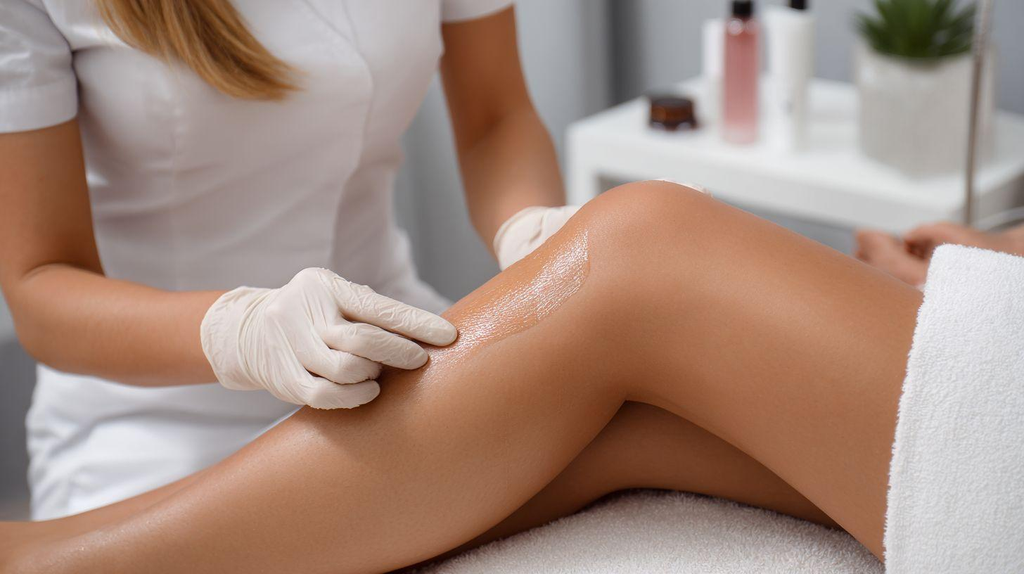
Avoid direct sun exposure on treated areas and follow your practitioner’s sunscreen recommendations. Use broad-spectrum SPF 30 or higher on exposed skin.
For the period recommended by your practitioner, avoid hot baths, saunas, steam rooms and activities that cause excessive sweating.
Use gentle skincare products and avoid harsh exfoliants, scrubs and fragranced products if your skin feels sensitive.
Mild redness, warmth or temporary swelling can occur after treatment. Avoid rubbing or scratching the area. A cool compress may help soothe temporary discomfort.
Attend follow-up appointments at the intervals recommended by your practitioner. Avoid waxing or plucking between sessions; shaving can generally be continued when your skin has settled.
Laser hair removal is generally well tolerated when performed by appropriately trained professionals using suitable equipment and settings.
Temporary redness, swelling and skin sensitivity are possible. Less common complications include blistering, burns, scarring and temporary or permanent changes in skin pigmentation.
Your individual risk depends on your skin characteristics, medical history, treatment settings and practitioner expertise.
Contact your clinic if you develop blistering, significant pain or an unexpected skin reaction.
Choosing an experienced clinic is an important part of your treatment journey.
Dermathetics offers laser hair removal in Farringdon, Central London, using advanced Smart Diode technology.
Patients benefit from:
Every treatment begins with a consultation to discuss suitability, expectations and appropriate treatment settings.
Our medical aesthetics clinic in Farringdon, London, provides a range of professional aesthetic treatments in a convenient Central London location.
Most people describe the sensation as a mild snapping or warm pinprick feeling. Cooling technology can help improve comfort, although sensitivity varies between individuals and treatment areas.
Yes. Shaving is generally acceptable between appointments once the skin has settled. Avoid waxing, threading and plucking because these methods remove the hair root.
Many treatment plans involve appointments approximately 4–6 weeks apart, although the recommended interval depends on the body area, hair growth and individual response.
Certain laser technologies and carefully selected treatment settings can accommodate darker skin tones. However, suitability must be assessed individually by an appropriately trained practitioner.
Results can last for months or years, with treated hair generally becoming finer and less noticeable. Some regrowth is possible, and maintenance sessions may be needed.
Take the first step towards reducing unwanted hair with a personalised treatment plan at Dermathetics.
Visit our clinic at 8 Clerkenwell Green, Farringdon, London EC1R 0DE, and speak with our medical team about your treatment options.
Ready to get started? Book your consultation and patch test with Dermathetics to discuss your skin, treatment goals and suitable laser hair removal options.
Sign up for our newsletter!