
Non-surgical skin treatments are shaping the future of aesthetic medicine across the UK. As 2026 approaches, clinics are moving beyond temporary cosmetic solutions and embracing science-led, regenerative treatments designed to support long-term skin health. Increased public awareness, stronger regulation, and growing clinical evidence have all contributed to this shift.
According to the British Association of Dermatologists, demand for non-invasive aesthetic procedures continues to rise due to their safety profile and minimal recovery time. The organisation notes that patients are increasingly prioritising treatments that improve skin quality rather than dramatically alter appearance.
Aesthetic medicine specialists across the UK echo this sentiment. As highlighted in a recent professional discussion published by the Journal of Aesthetic Nursing:
“Patients are seeking treatments that enhance skin function and resilience, not just visual correction.”
This change in mindset is defining how clinics approach treatment planning in 2026.
Modern non-surgical aesthetics in the UK is becoming increasingly preventative. Rather than addressing visible ageing alone, treatments are now designed to stimulate collagen, improve cellular repair, and strengthen the skin barrier.
A UK literature review published in the Journal of Aesthetic Nursing concluded that regenerative treatments focused on dermal stimulation demonstrated higher patient satisfaction and longer-lasting outcomes than traditional surface-level interventions. These findings reinforce the move toward combination protocols grounded in dermatological science.
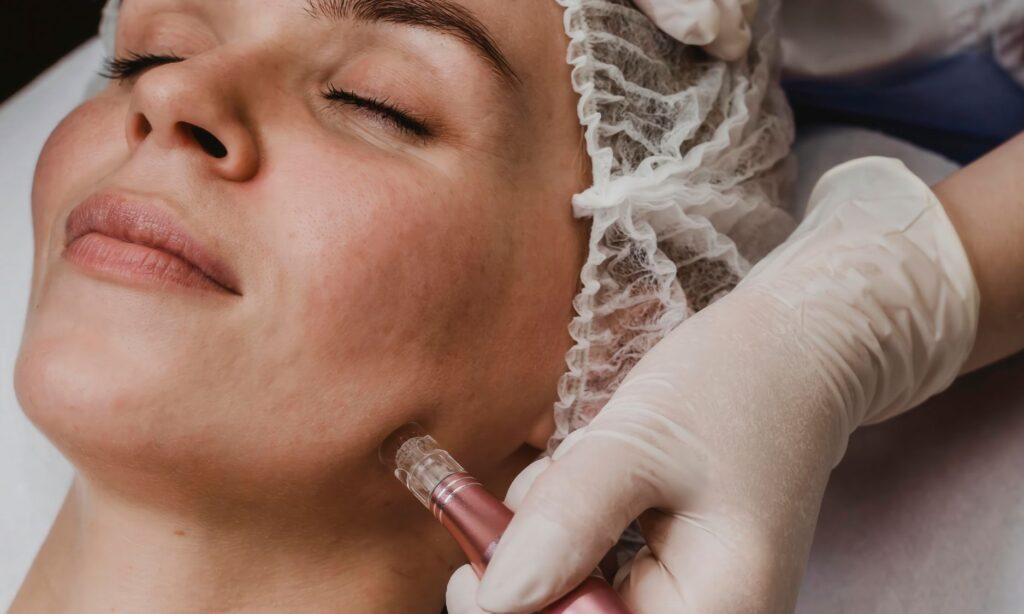
Microneedling remains one of the most researched non-surgical skin treatments available in the UK. Clinical studies conducted across dermatology practices in England have reported statistically significant improvements in skin texture, fine lines, and acne scarring, with minimal adverse effects when performed by trained professionals.
Histological analysis has shown increased collagen and elastin production following structured microneedling protocols. The NHS recognises microneedling as a clinically accepted procedure when delivered in appropriate medical settings.
This adaptability and strong evidence base explain why microneedling continues to feature prominently in UK treatment plans.
https://dermathetics.com/microneedling-specialist-clinic-london/
Regenerative injectable treatments, including polynucleotide-based therapies, are gaining attention across UK clinics. Though still emerging, UK clinical reviews suggest these treatments may improve elasticity, hydration, and dermal integrity by supporting fibroblast activity and tissue repair.
A UK-based clinical review stated:
“Polynucleotides show potential in enhancing extracellular matrix regeneration, contributing to gradual and natural-looking improvements in skin quality.”
These treatments align with UK regulatory guidance by focusing on restoration rather than structural alteration, making them increasingly appealing to patients seeking subtle enhancement.
https://dermathetics.com/polynucleotides-clinic-london/
Facials and chemical peels in 2026 are no longer purely cosmetic procedures. UK dermatology publications now emphasise clinically formulated peels and advanced facials that address pigmentation, barrier function, and controlled exfoliation.
The British Skin Foundation references studies demonstrating that professionally administered chemical peels can significantly improve skin clarity and tone when integrated into a medically guided regimen. Proper patient assessment and aftercare are consistently highlighted as critical to safe outcomes.
These findings support the growing use of multi-step skin treatments that deliver measurable results without excessive downtime.
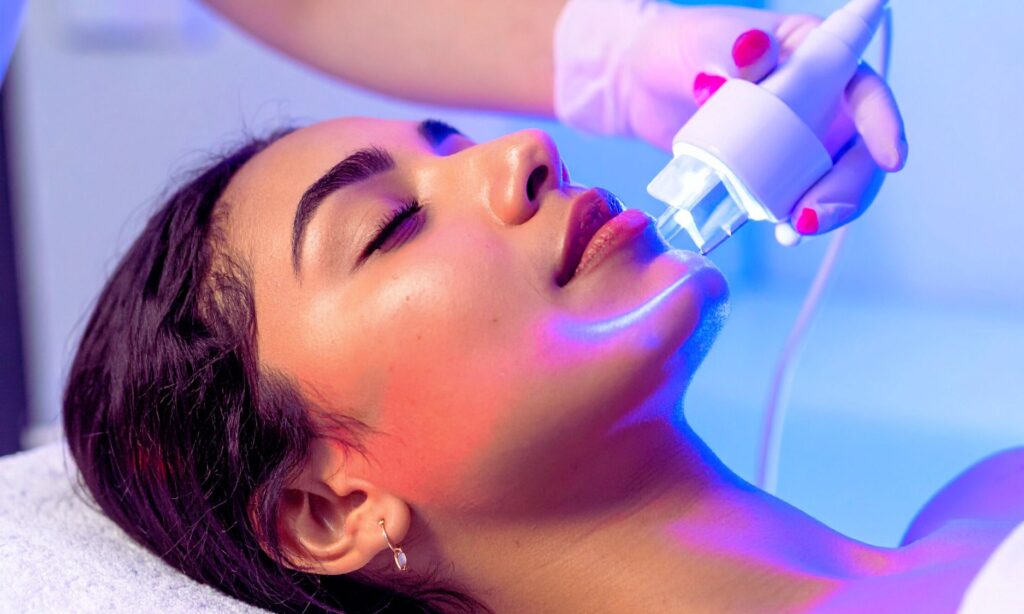
Several key factors are driving this nationwide shift:
• Greater emphasis on evidence-based skincare
• Increased regulation of aesthetic practice in the UK
• Demand for natural-looking results
• Growing UK clinical research supporting non-surgical efficacy
A report from Health Education England also underscores the importance of practitioner training and patient education, reinforcing that outcomes depend heavily on professional expertise and treatment planning.
Are non-surgical treatments safe in the UK?
When performed by qualified professionals following UK regulatory standards, non-surgical treatments have a strong safety profile. Most reported side effects in clinical studies are mild and temporary.
Do these treatments provide lasting results?
UK clinical evidence suggests many non-surgical treatments offer cumulative and long-term benefits, particularly those focused on collagen stimulation and skin regeneration.
Who are these treatments suitable for?
Suitability depends on individual skin condition, medical history, and goals. Professional consultation and assessment remain essential.
As the UK aesthetic industry continues to mature, non-surgical skin treatments are becoming increasingly sophisticated, regulated, and research-driven. The focus for 2026 is clear: supporting skin health through science, precision, and personalised care rather than dramatic change.
This evolution reflects a broader cultural shift toward sustainable skin health — where results are measured not just by appearance, but by long-term skin integrity and function.
Sign up for our newsletter!